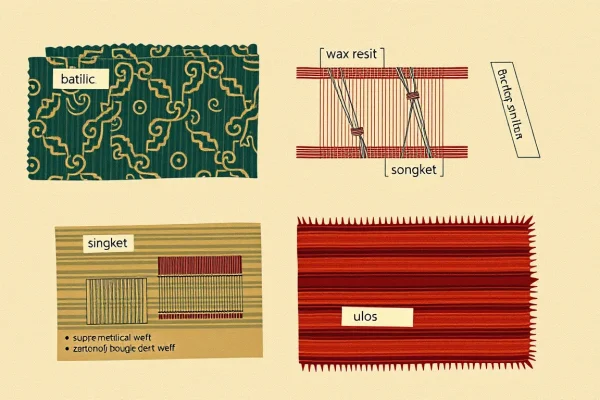
Indonesian textile labels are often used loosely in shops, so a useful buying guide starts with one question: when does the pattern enter the cloth? In batik, it is added to a finished woven fabric by wax resist and dyeing. In ikat, the yarns are resist-dyed before the cloth is woven. In songket, decorative threads are woven into the cloth as it is made. Tenun is the general Indonesian word for woven cloth, while wastra is the umbrella term for traditional cloth; it includes batik, tenun, songket and other regional textiles such as ulos, as The Cast Index explains.
The moment the pattern is made
Buying guides to Indonesian textiles often make the same point: the important difference is not mainly the motif but the stage at which the motif is created, as Mandalas and The Cast Index both explain. That matters because the technique changes what you see on the reverse, how the cloth wears, how it should be cared for and why prices vary.
A printed imitation can copy a motif, but it does not reproduce the structure of a woven songket or the dye penetration of a resist-dyed batik. That does not make prints bad. It means a seller should describe them as prints, and a buyer should compare like with like.
Batik: pattern added to finished cloth
Batik begins with cloth that has already been woven, usually plain cotton. Hot wax is applied where dye should not reach; the cloth is dyed, washed and waxed again for further colours. The wax can be drawn with a canting pen (batik tulis) or applied with a copper stamp (batik cap), as Mandalas describes.
On genuine batik, the pattern generally shows on the reverse because dye penetrates the cloth. Check both sides, and ask which method was used. The Cast Index recommends checking both sides of a batik, asking how it was made and following gentle care advice.
Batik is strongly associated with Java, Madura, Sumatra and beyond. Bali has batik workshops, but much of the batik sold there is Javanese; the island’s distinct textile traditions are elsewhere, including endek, songket and geringsing, according to Explore Rama Tours.
For buyers, the practical distinction is hand-drawn, stamped or printed. A hand-drawn piece involves controlled labour; a stamp gives repeatable motifs; a print applies pattern to the surface. Ask directly, and compare the reverse and the motif repeat rather than relying on a label alone.
Ikat: pattern made before the cloth is woven
Ikat is a family of resist-dyeing techniques in which yarns are bound or tied so dye cannot reach selected areas, then dyed and woven. The pattern is planned into the yarn before weaving, not painted onto finished cloth. The visual effect often has slightly softened edges where dye migrates along the tied yarns; that is a characteristic of the technique, not necessarily a flaw.
In Bali, endek is a weft ikat: the weft threads are tied and dyed before weaving, creating patterns once reserved for aristocratic families and now woven in Gianyar, Denpasar, Tabanan and elsewhere. Geringsing is a double ikat: both warp and weft threads are dyed before weaving. It is made only in Tenganan, an eastern Balinese village of the Bali Aga, and can take up to five years to make; Explore Rama Tours notes that it is made in only three places in the world.
Because ikat is a technique rather than one product, do not treat every cloth sold as ‘ikat’ as Balinese or ceremonial. Ask whether it is warp ikat, weft ikat or double ikat, where it was woven, and what the fibre and dye are. Those questions are more useful than a generic origin label.
Songket: pattern woven in with metallic thread
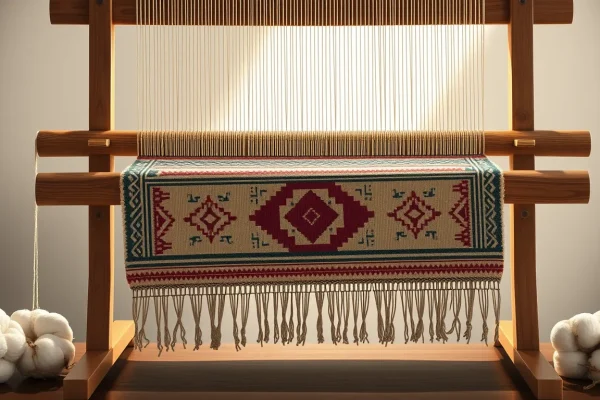
Songket is a decorative weaving technique, not a surface print. Gold or silver thread is woven into the cloth, usually as supplementary weft, to create motifs. In Bali it is associated with ceremonial and wedding dress; Malaysian textile writing uses the same general definition, describing songket as a brocade with gold or silver threads, as Five Foot Way explains and Explore Rama Tours also notes for Bali.
Because the metallic thread is part of the structure, the pattern should be visible in the weave, and the back should show thread floats rather than a printed or glued surface. Ask whether the metal is real metallic thread, synthetic metallic yarn or another substitute, and ask how to clean it; metal threads and delicate weaves may need specialist care.
Songket is often more expensive than simple batik because weaving metallic thread is slower and more labour-intensive. Five Foot Way notes that making differences help explain cost and formality. That is a general explanation, not a price guide: prices vary by region, thread, density and workmanship.
Tenun and wastra: useful umbrella terms
Tenun simply means woven cloth in Indonesian. A tenun may be plain, patterned by ikat, decorated with songket supplementary weft or made with another regional technique. Wastra is the broader Indonesian term for traditional cloth, borrowed from Sanskrit, covering batik, tenun, songket, ulos and many regional textiles, according to The Cast Index.
These words are not grades of quality. A seller may call a piece ‘tenun’ because it is woven, while ‘songket’ tells you about decorative metallic weaving and ‘batik’ tells you about a surface resist process. Use the terms to ask better questions, not to rank one cloth above another.
A quick comparison for buyers
| Term | How the pattern is made | What to check | Common context |
|---|---|---|---|
| Batik | Wax resist and dye on finished cloth; canting or cap | Reverse; hand-drawn, stamped or printed; region | Java, Madura, Sumatra; also sold in Bali |
| Tenun | General woven cloth; pattern may be plain, ikat, songket or another technique | Weave structure and regional technique | Everyday and ceremonial cloth across Indonesia |
| Ikat, including endek and geringsing | Yarns tied and dyed before weaving; weft or double ikat | Warp, weft or double; origin; dye; softened edges | Bali: endek; geringsing in Tenganan |
| Songket | Decorative gold or silver thread woven into the cloth | Metallic thread type; reverse; care; origin | Ceremonial and wedding wear in Bali and elsewhere |
What to inspect in the shop
- Turn it over. On batik, the pattern generally shows through because dye penetrates; on songket, the decorative thread is part of the weave. A print may sit on one surface. If the reverse is unclear, ask.
- Ask for the technique by name. Is it batik tulis, batik cap or print? Endek, geringsing or another ikat? Songket or songket-style? The answer should be specific.
- Ask where it was woven and who made it. ‘Bali’ alone is not enough: batik sold in Bali may be Javanese, endek is woven in several Balinese areas, and geringsing is specific to Tenganan.
- Check the reverse and the motif repeat. Hand work varies; a stamp repeats; a print may look very uniform. Variation or repeat is not automatically a defect, but it should match the technique the seller describes.
- Ask about dye and care. The Cast Index advises gentle care and crediting the maker or region. Follow the maker’s instructions, test any cleaning method on a hidden corner and do not assume all traditional cloths wash alike.
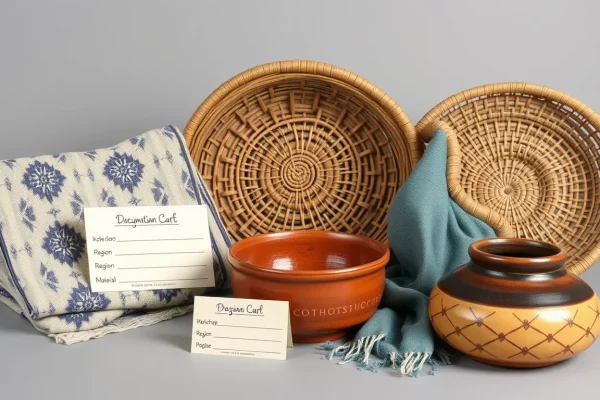
- Get the description in writing. A receipt that notes technique, region and maker is more useful than a vague authenticity claim. Keep it if you later display or resell the cloth.
Regional and community differences matter
Bali is a useful example of why labels need care. Batik is not originally Balinese; it comes from Java, and most batik sold on the island is Javanese, though some workshops exist. The island’s own traditions include endek, songket, geringsing and poleng, the black-and-white check associated with the duality of the cosmos and wrapped around statues and sacred trees, as Explore Rama Tours explains.
Outside Bali, batik is associated above all with Java, plus Madura, Sumatra and beyond; songket and ikat are woven in several regions with different materials and motifs. Mandalas makes the same point about batik’s geographic range. A buyer does not need to memorise every regional style. It is enough to ask three questions: what technique made the pattern, where was it woven, and what are the fibre and thread content? If the seller cannot answer, treat the label as descriptive rather than definitive.
What to confirm before buying
Prices, stock and shop claims change, and this guide did not verify individual sellers. The sources consulted were retrieved on 6 November 2026; they describe techniques and regional context, not current retail prices. Before paying, confirm the fibre, dye type if known, whether metallic thread is real or synthetic, the exact origin, care instructions and return policy.
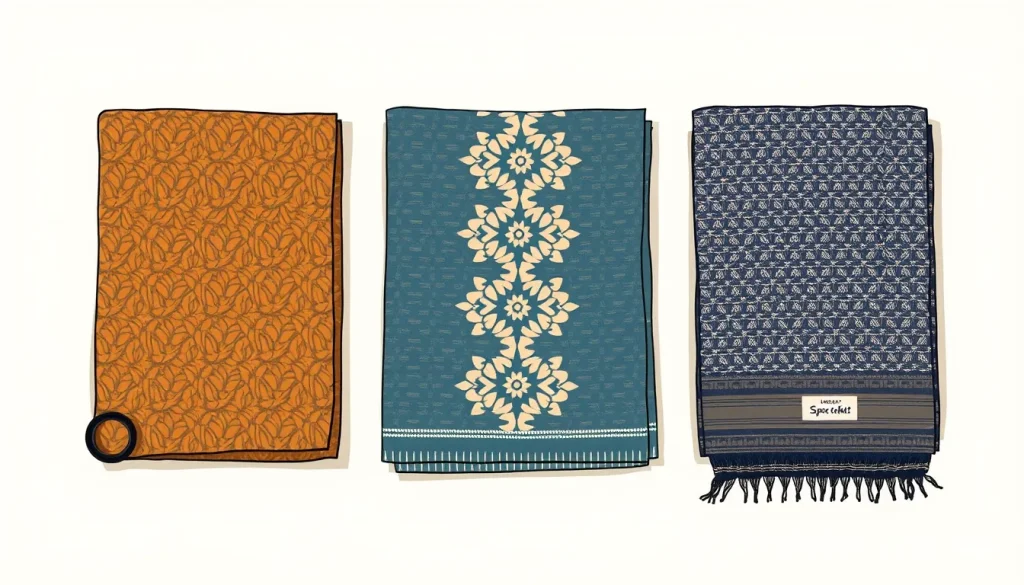
For high-value pieces, ask for the maker’s name or workshop and a detailed receipt. If the cloth is intended for a wedding or ceremony, ask the wearer or organiser about dress expectations rather than assuming that any songket is appropriate. A sensible next step is to visit a workshop, museum or reputable textile seller and ask to see the reverse of several pieces side by side. Comparing a batik, an endek and a songket in hand will make the distinction clearer than any label.
FAQ
Is ikat the same as batik?
No. Batik adds pattern to finished cloth with wax resist and dye; ikat dyes yarns before weaving. In Bali, endek is a weft ikat and geringsing is a double ikat.
How can I tell genuine batik from a print?
Turn the cloth over and ask how it was made. On genuine batik the pattern generally shows on the reverse because dye penetrates; a printed pattern may sit on the surface. The seller should say whether it is batik tulis, batik cap or print.
Is songket only for weddings?
In Bali, songket is associated with ceremonial and wedding dress, but use varies by community and occasion. Ask the seller or event organiser about the specific piece rather than assuming every songket is a wedding cloth.
What should I ask before buying an expensive piece?
Ask about technique, origin, fibre, thread type, dye and care. Get a detailed receipt, and for high-value pieces ask for the maker or workshop and the return policy.